Second edition of the WILL BEE Award: a showcase of innovation for sustainable construction
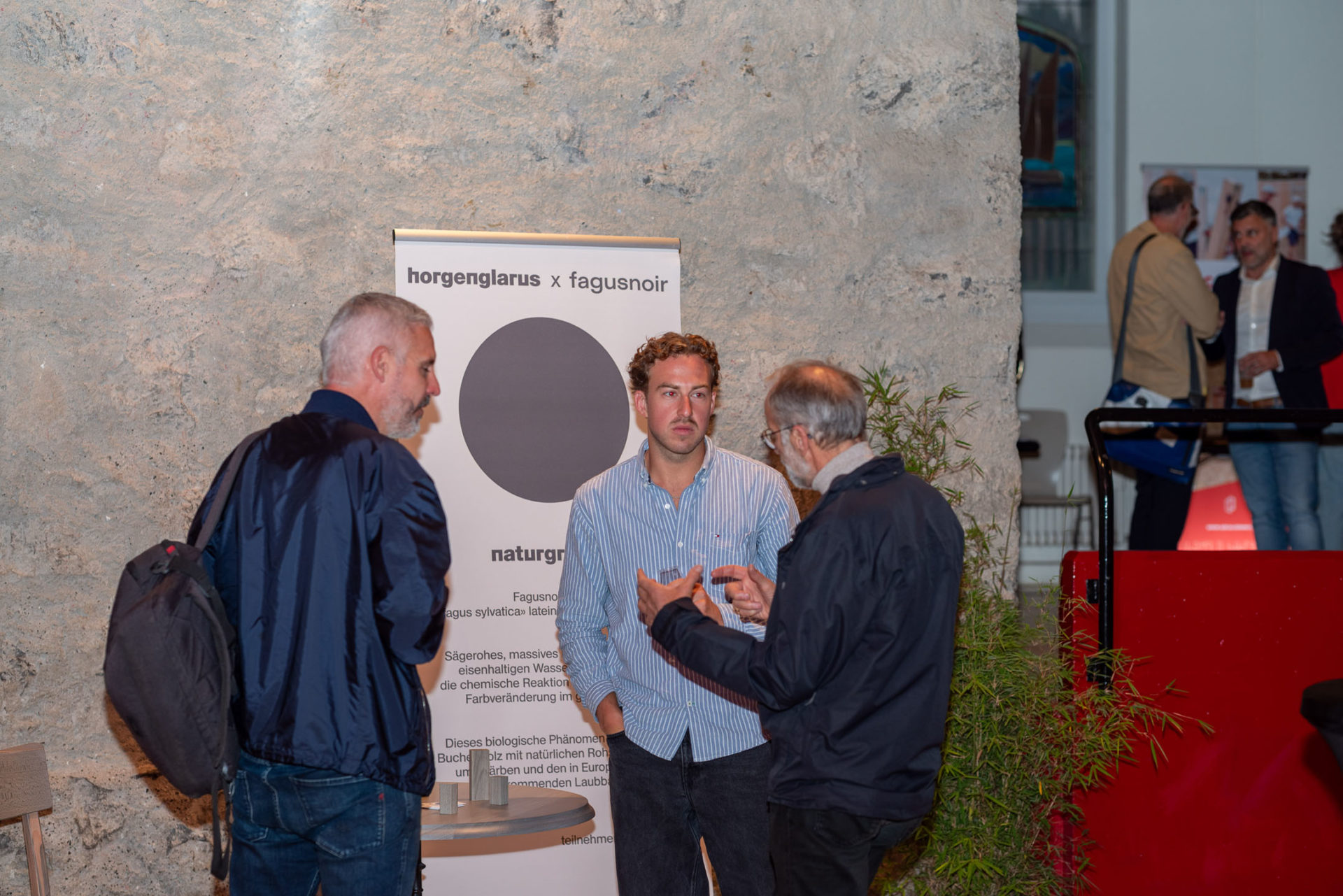
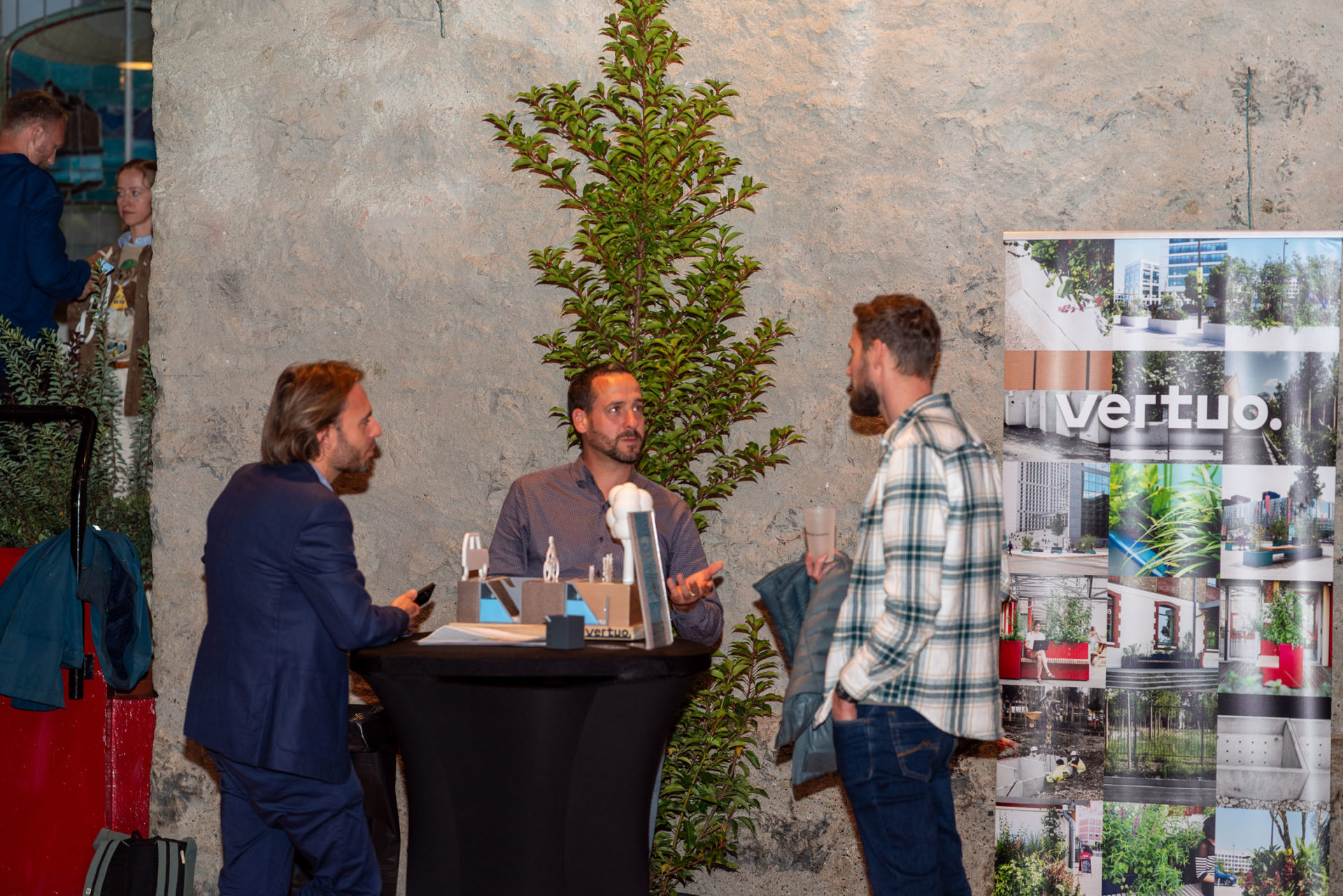
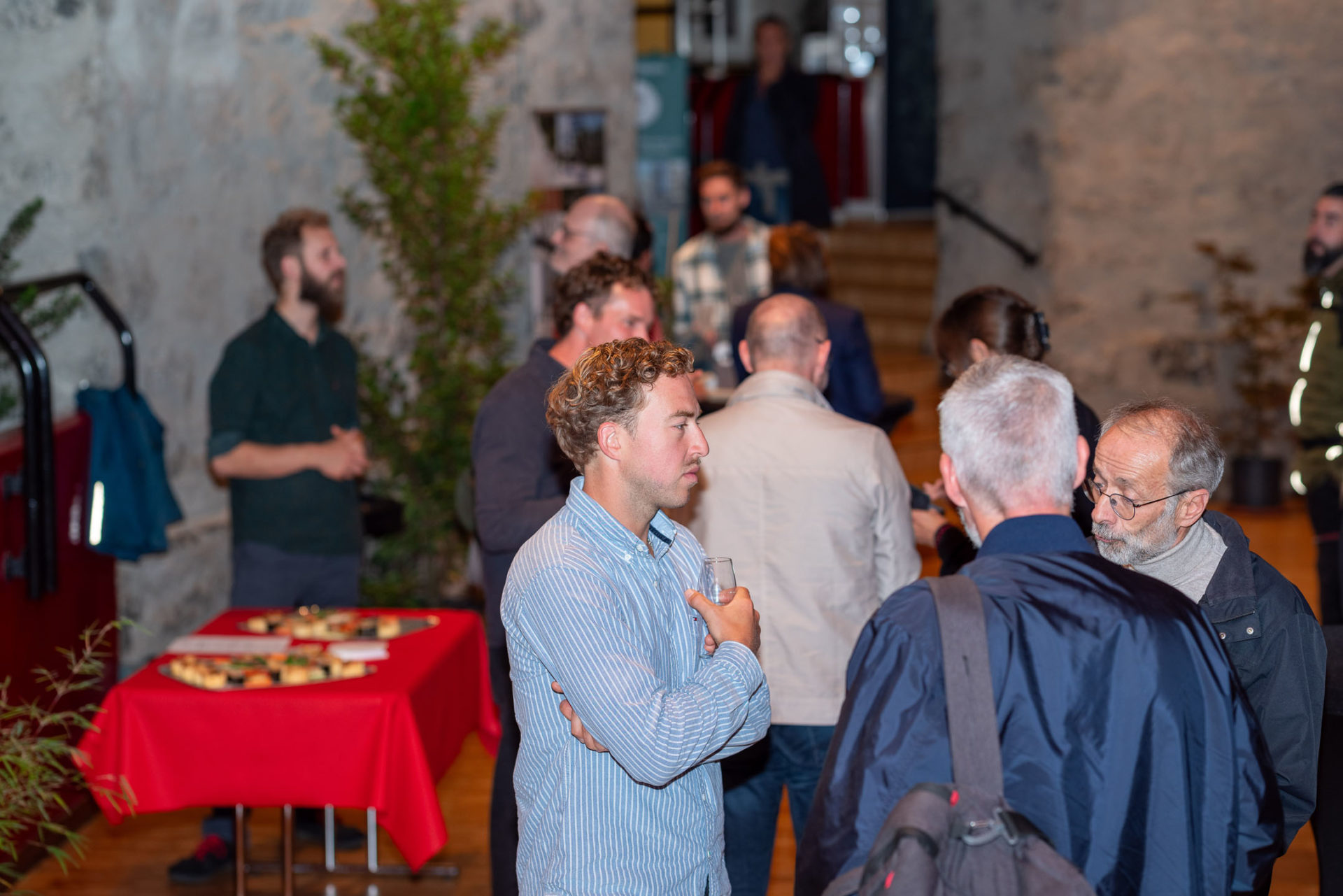
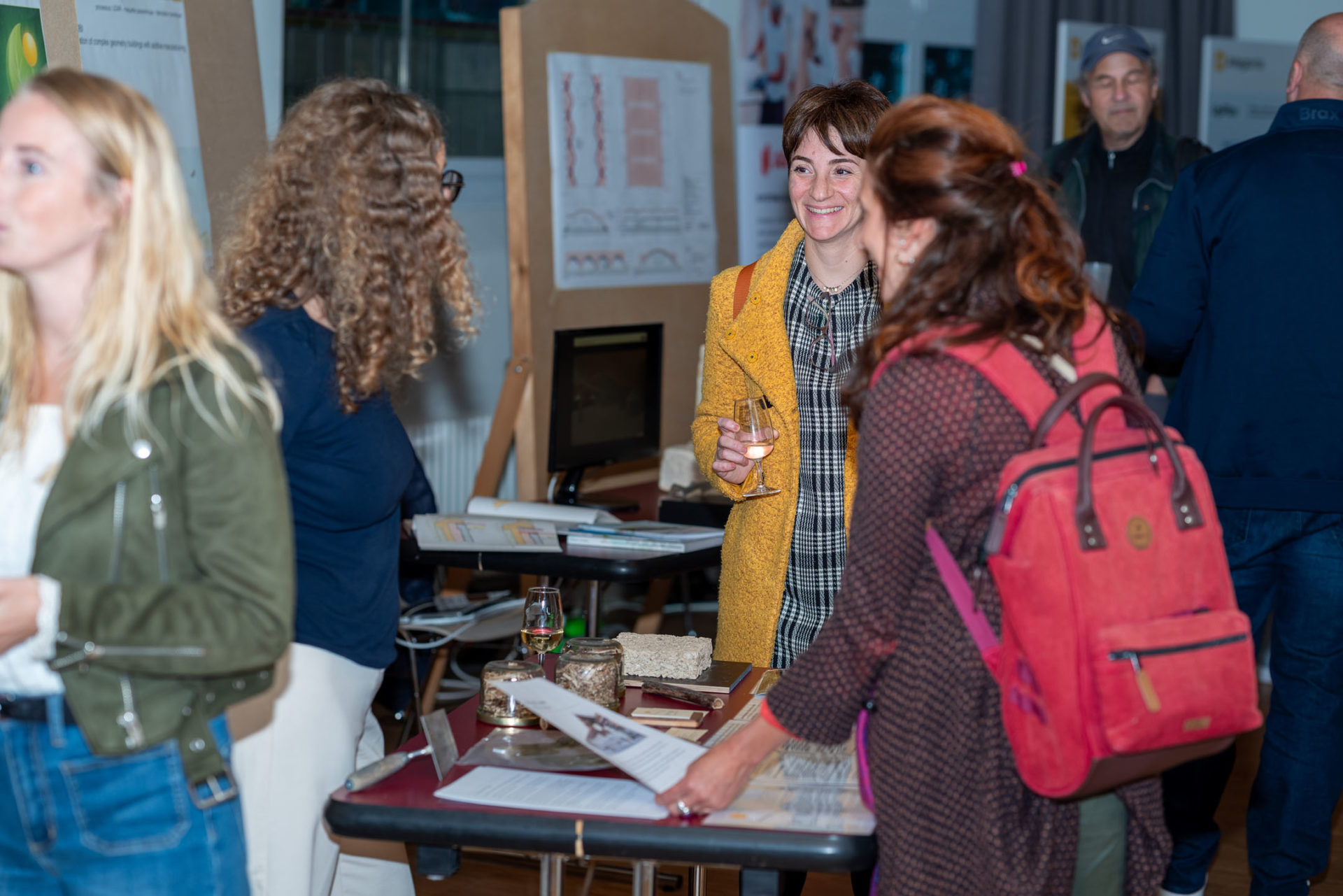
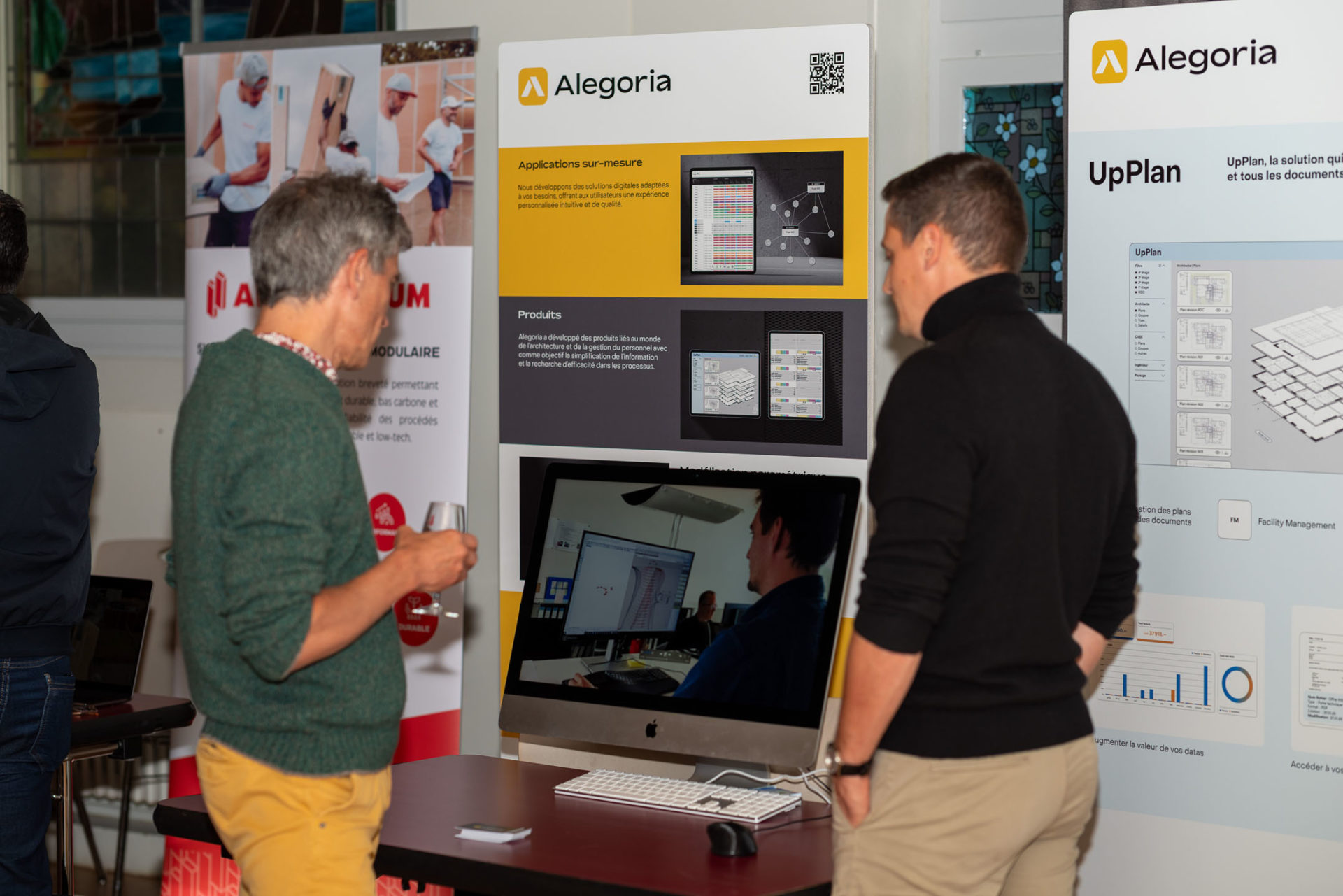
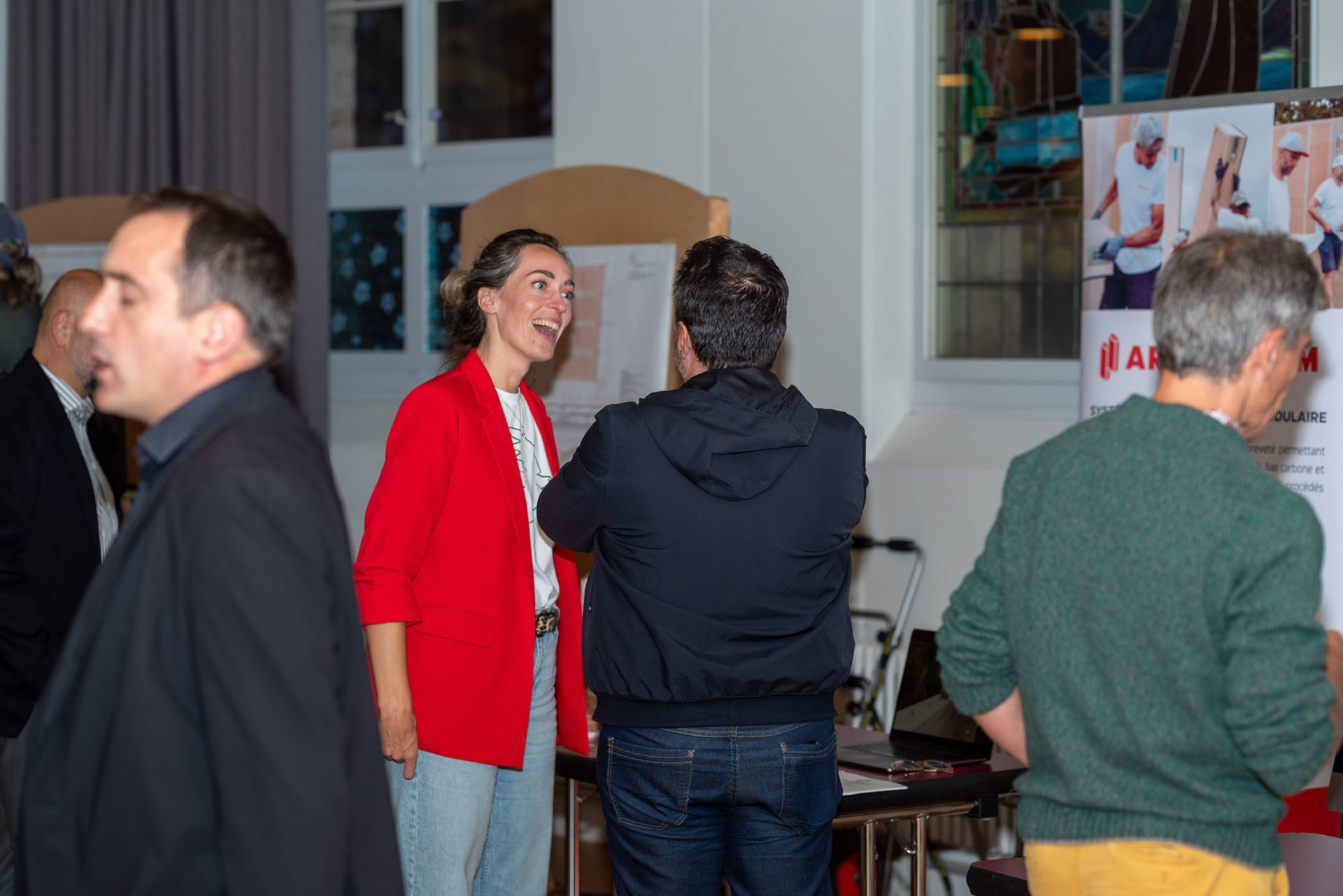
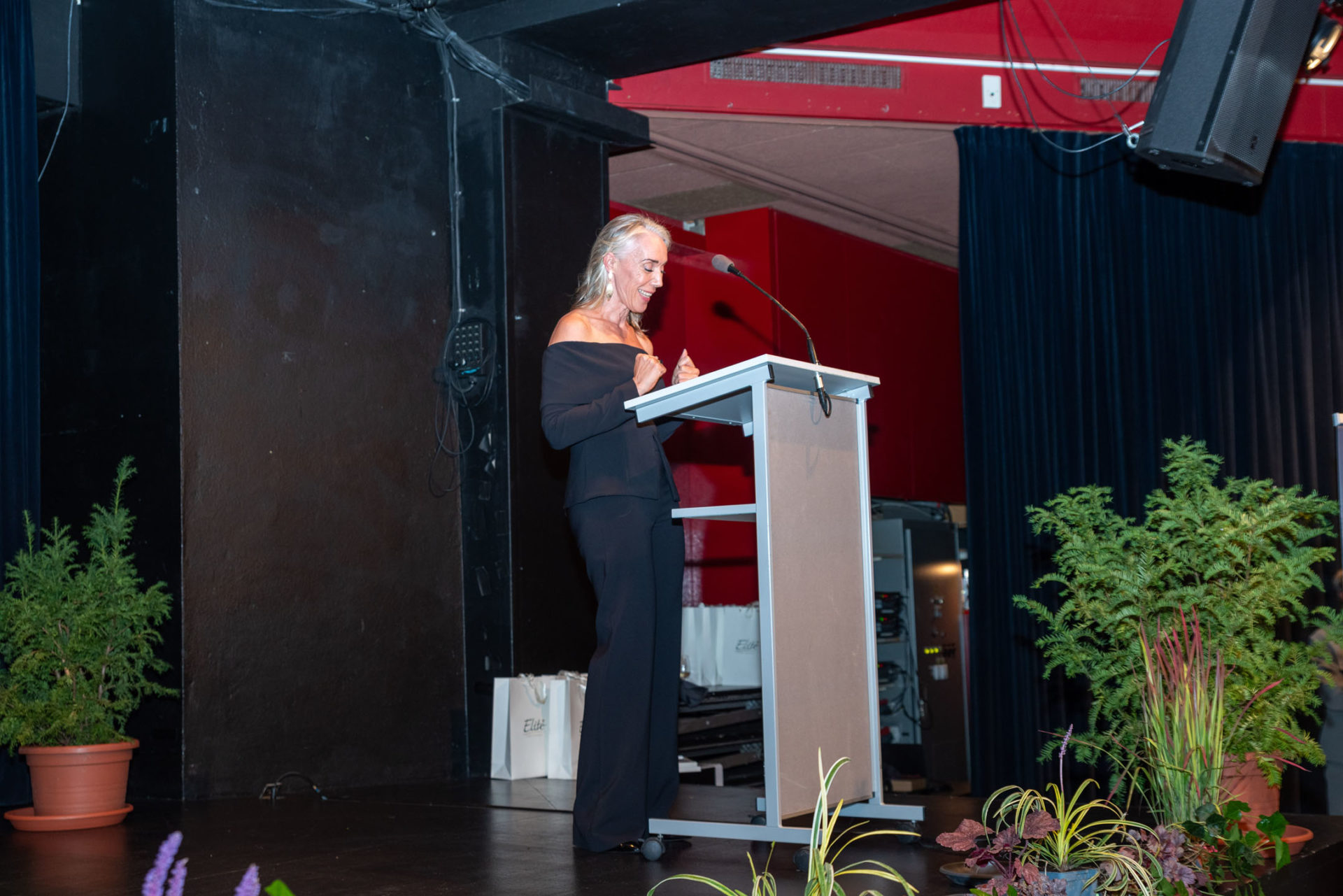
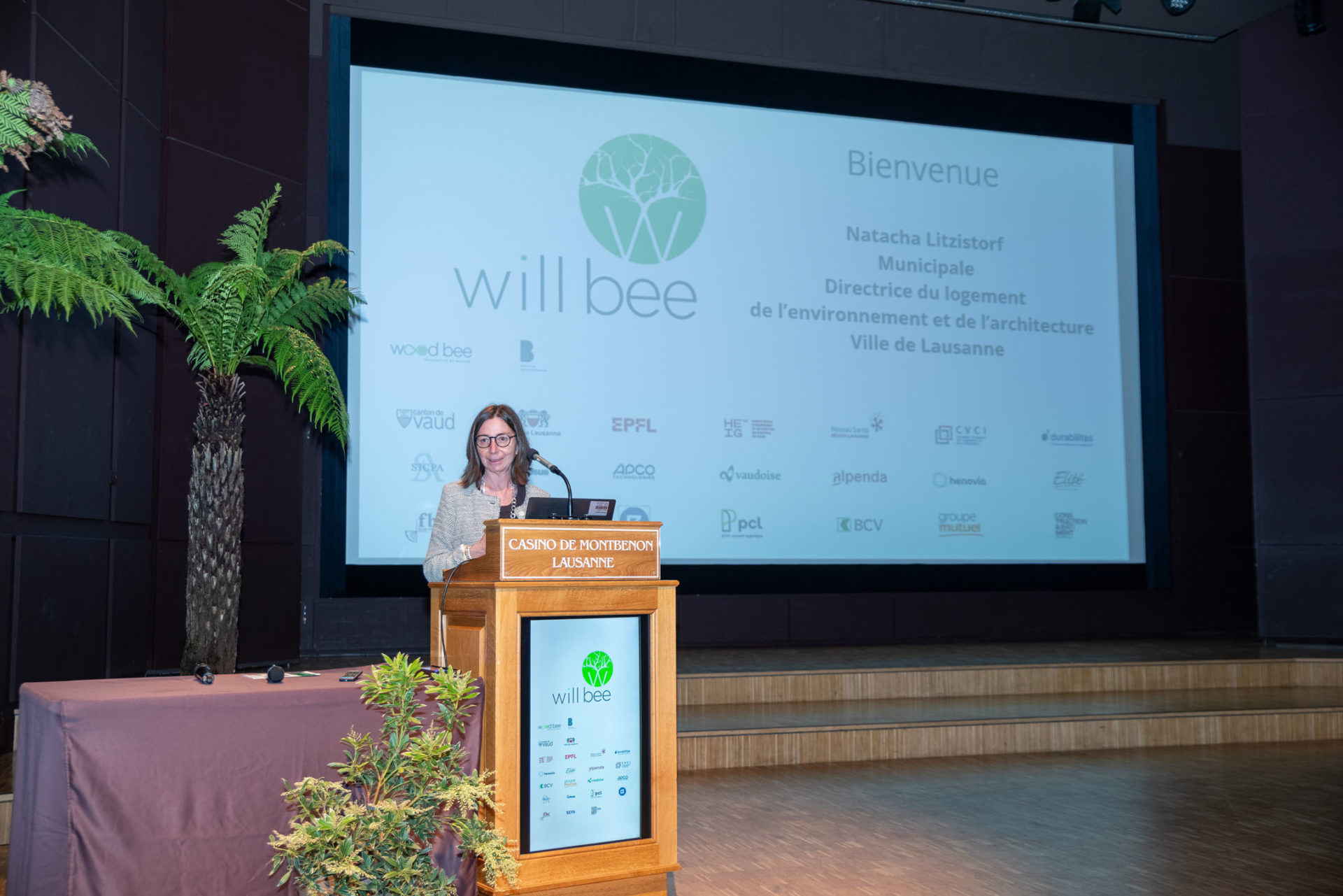
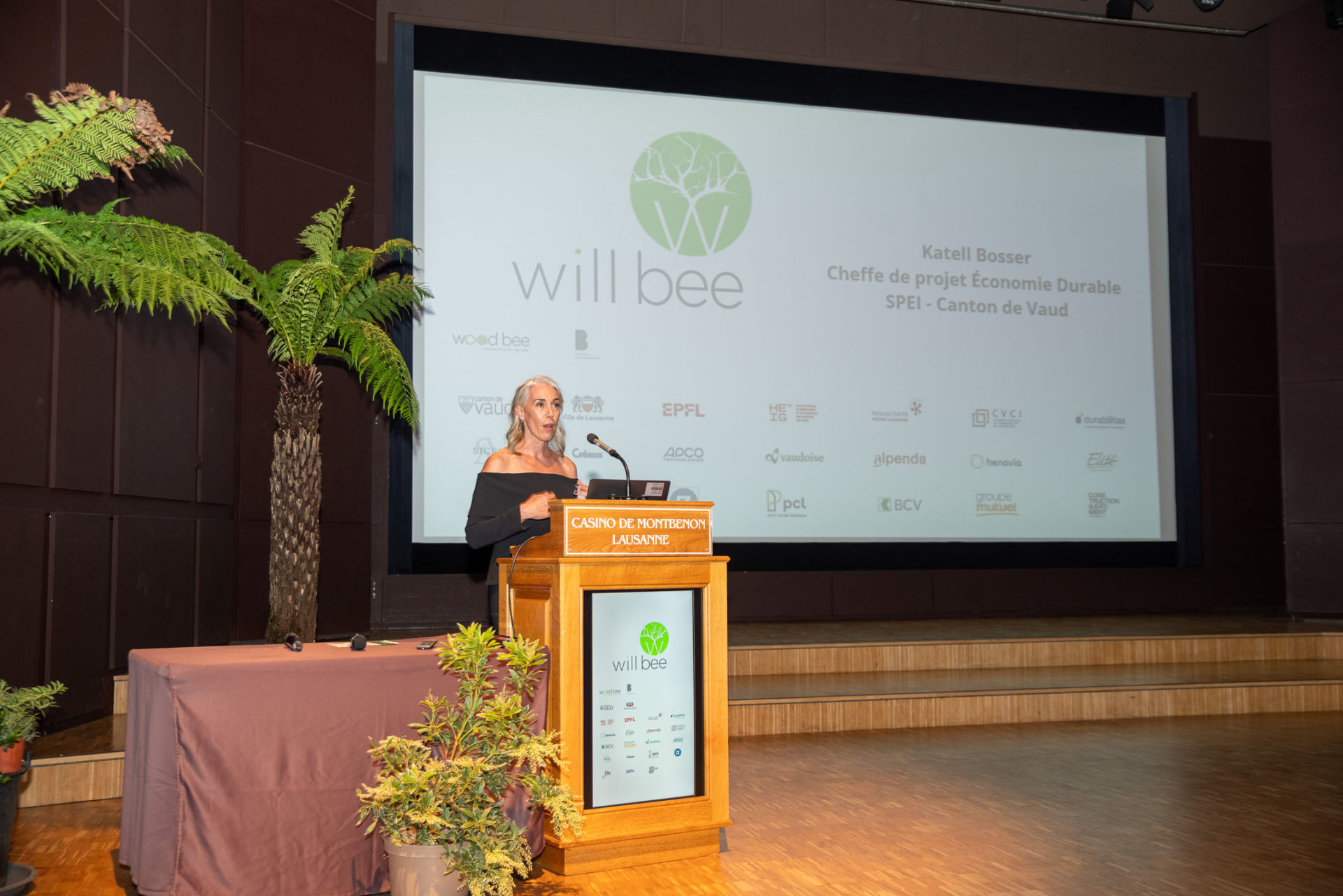
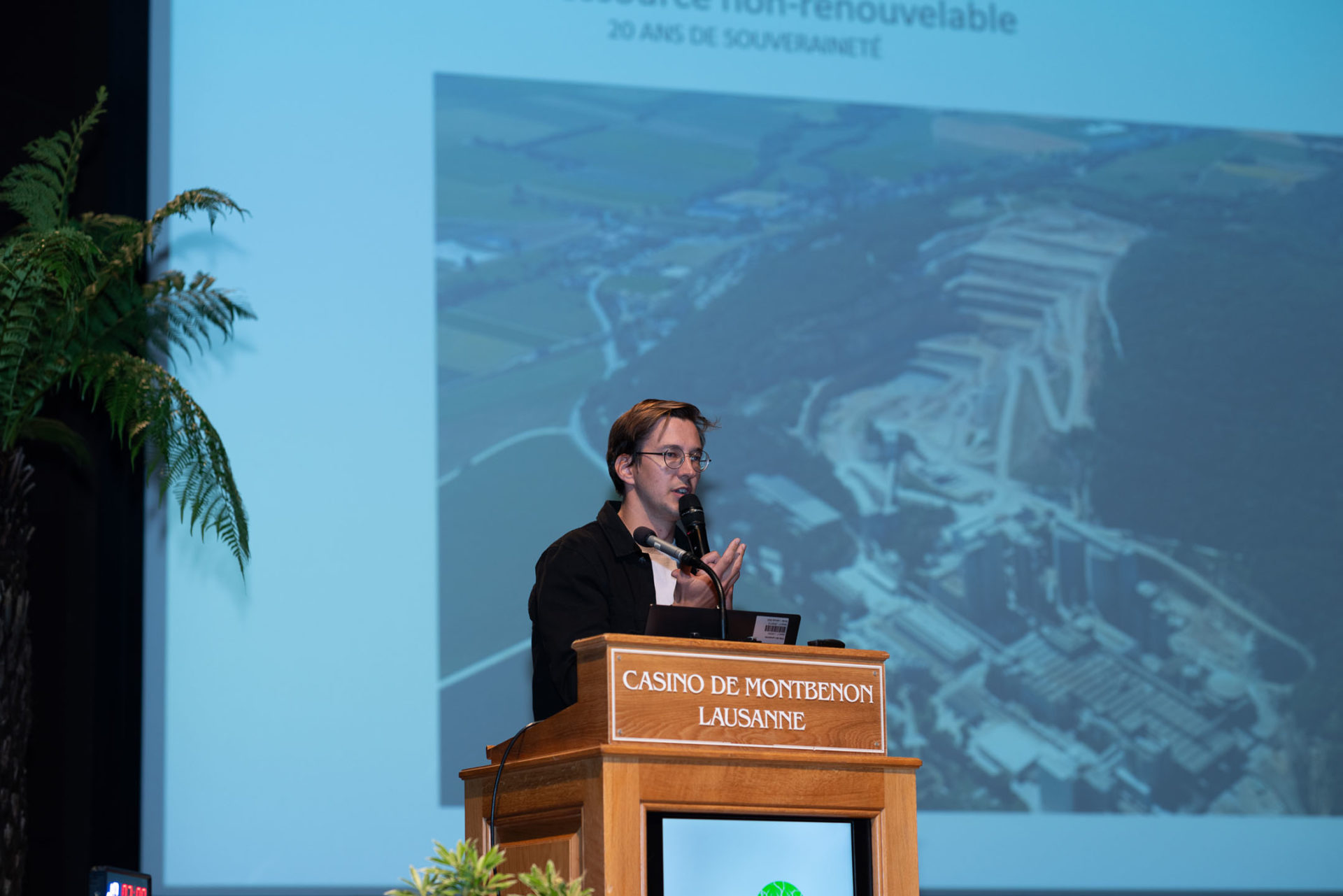
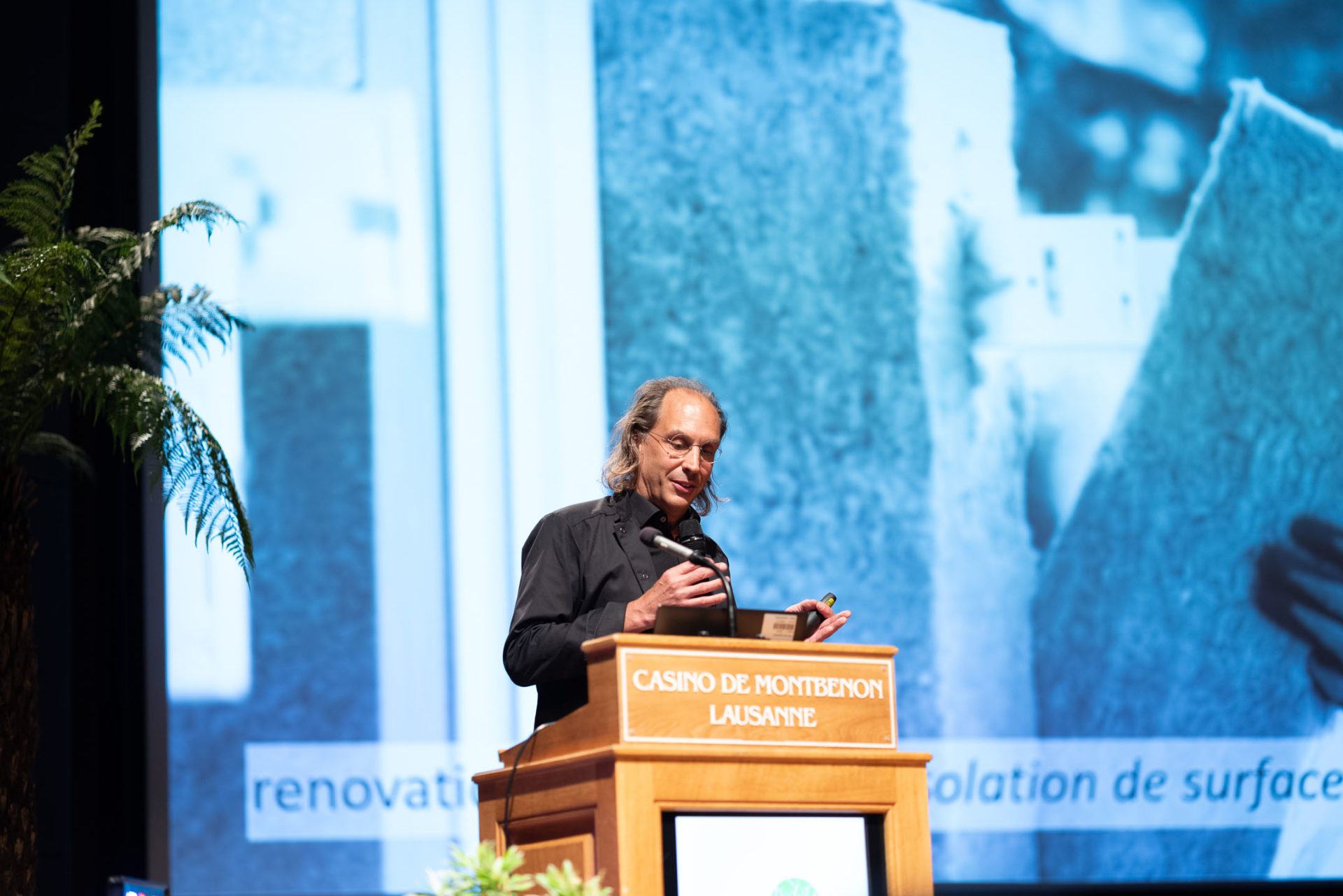
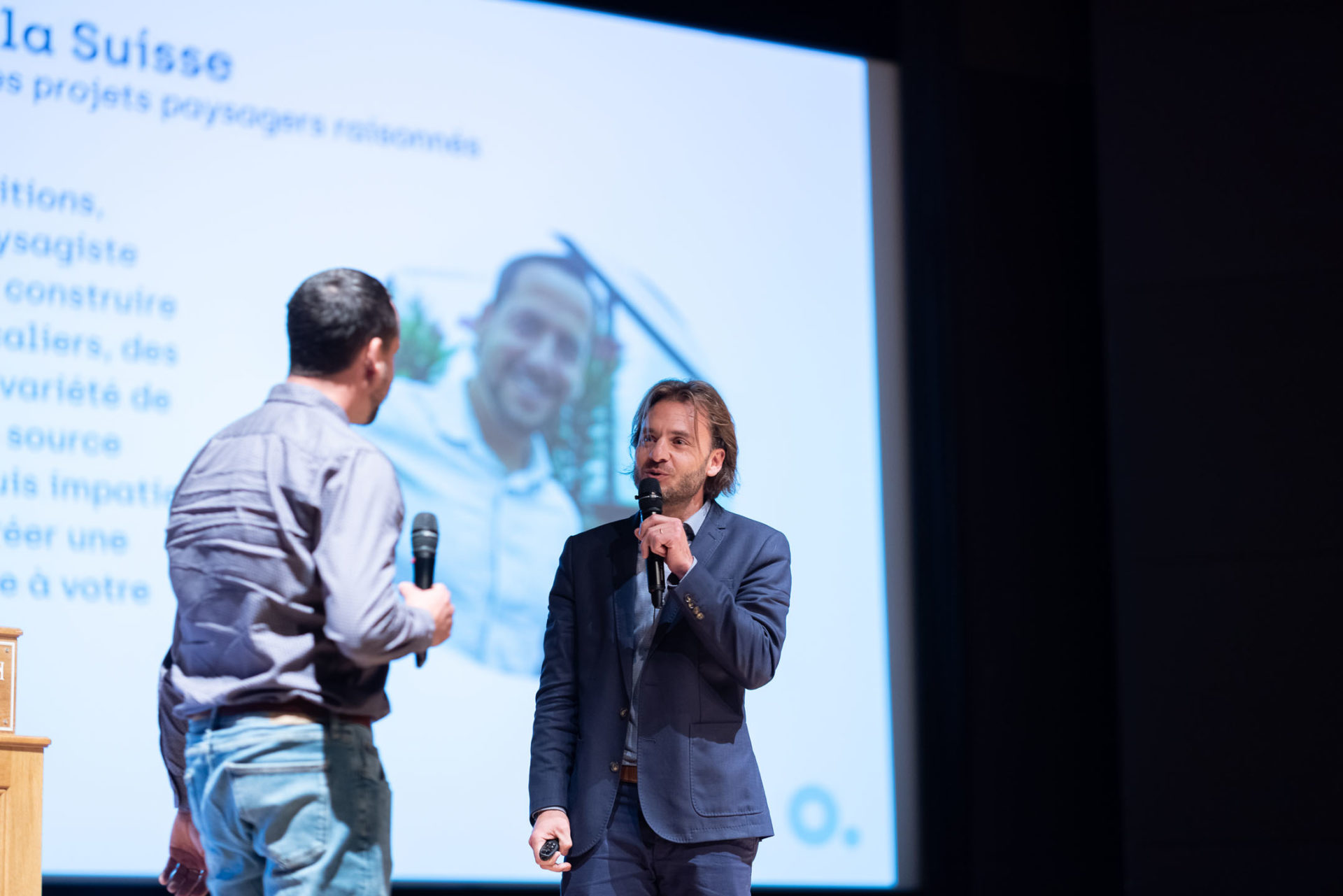
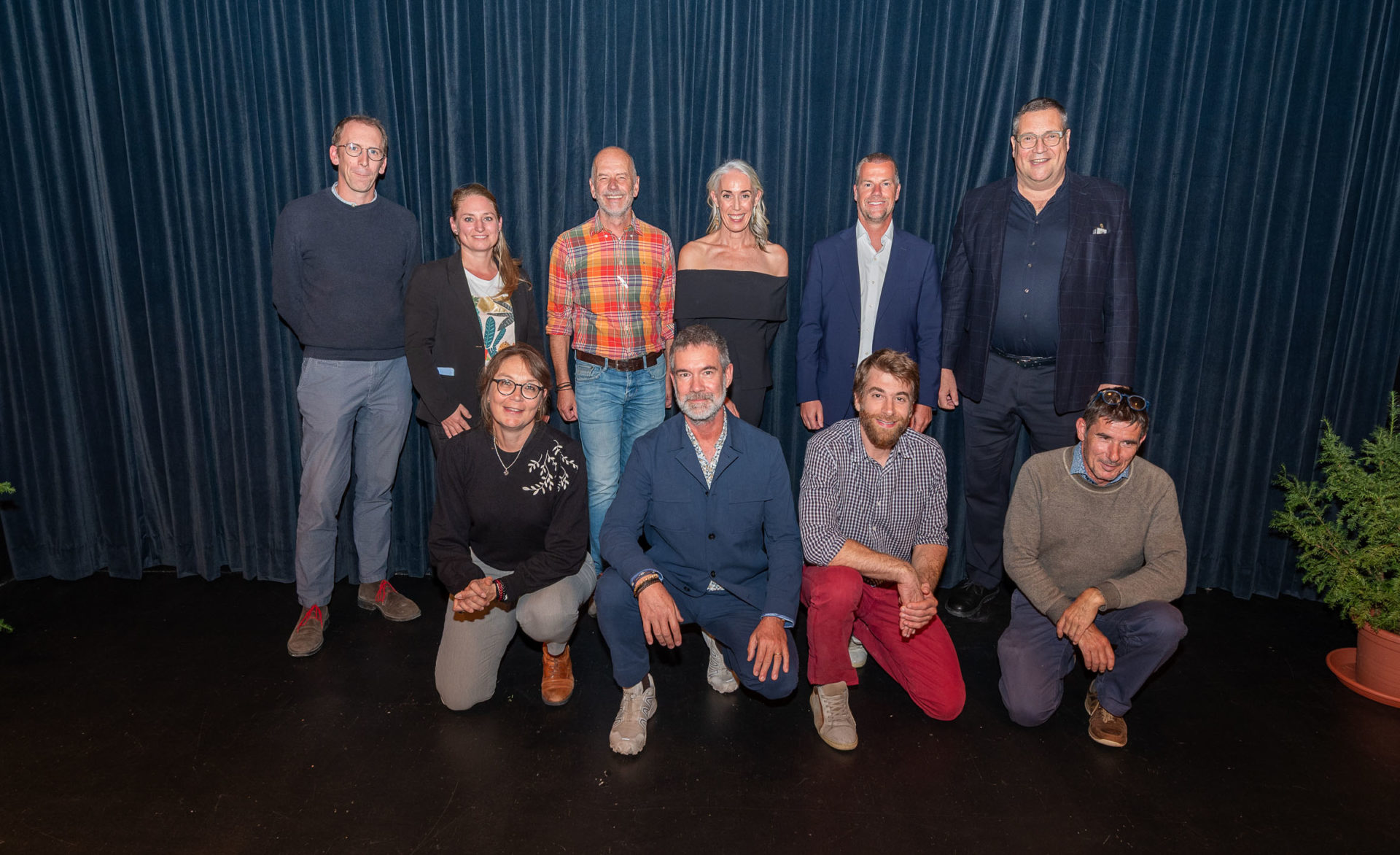
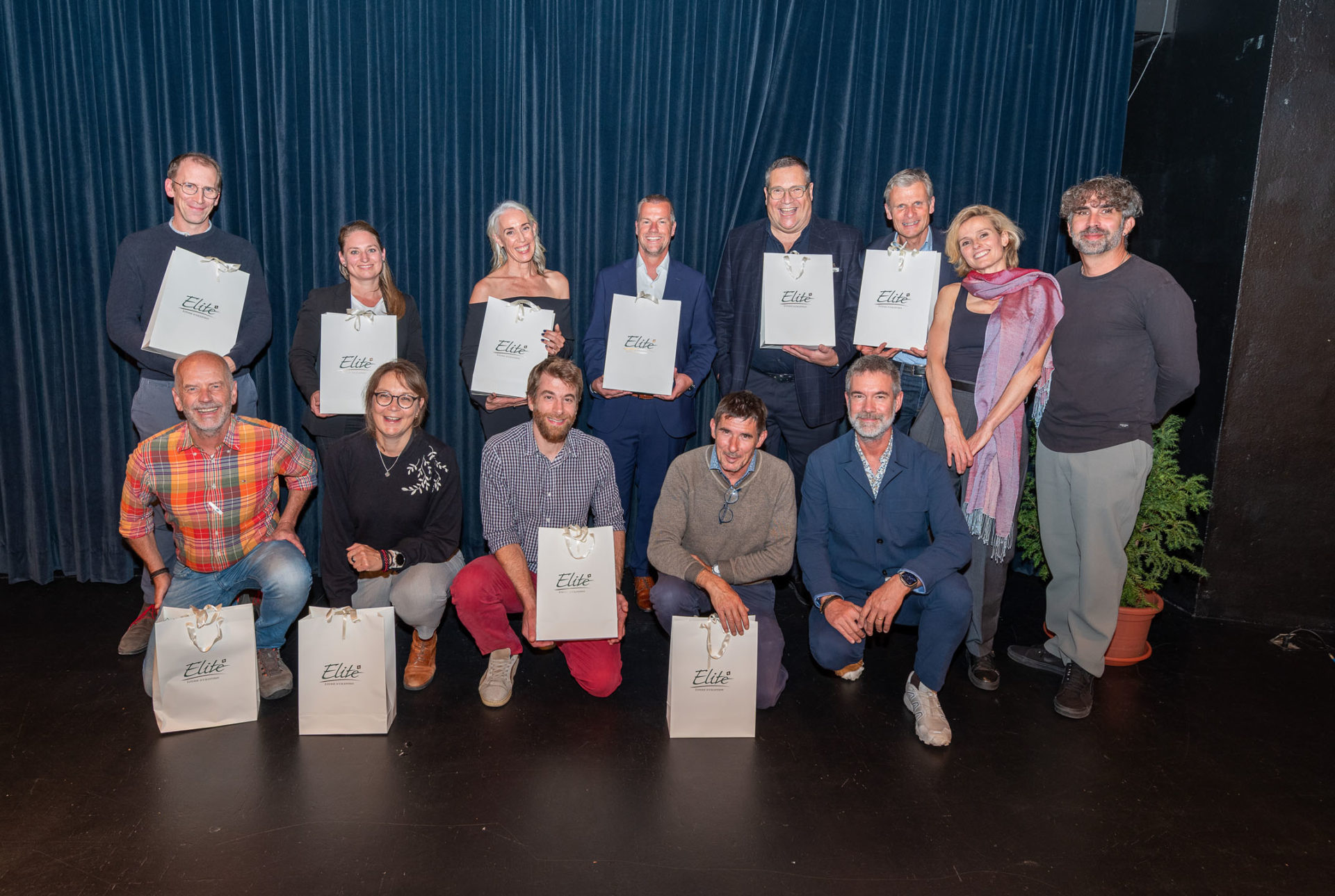
The WILL BEE Innovation Award, led by the WOOD BEE association, held its second edition on September 24, 2025, at the Casino de Montbenon in Lausanne. Professionals, project leaders, researchers, public authorities, and entrepreneurs came together for an evening dedicated to innovation in construction, with the aim of imagining pragmatic and creative responses to climate challenges. Twelve finalist projects, selected from 31 applications, were presented in detail, illustrating the diversity and vitality of sustainable innovation in French-speaking Switzerland and beyond. The event, which alternated between exhibition time, a conference, pitch sessions, and informal exchanges in an atmosphere that was both professional and friendly, represents a springboard for young initiatives—a first stage to test their message and meet partners. It is also crucial for established local companies, which can showcase their innovations and refine their strategies.
Winners
DEVELOPMENT CATEGORY
Itten+Brechbühl
LAUNCH CATEGORY
Maria Smigielska
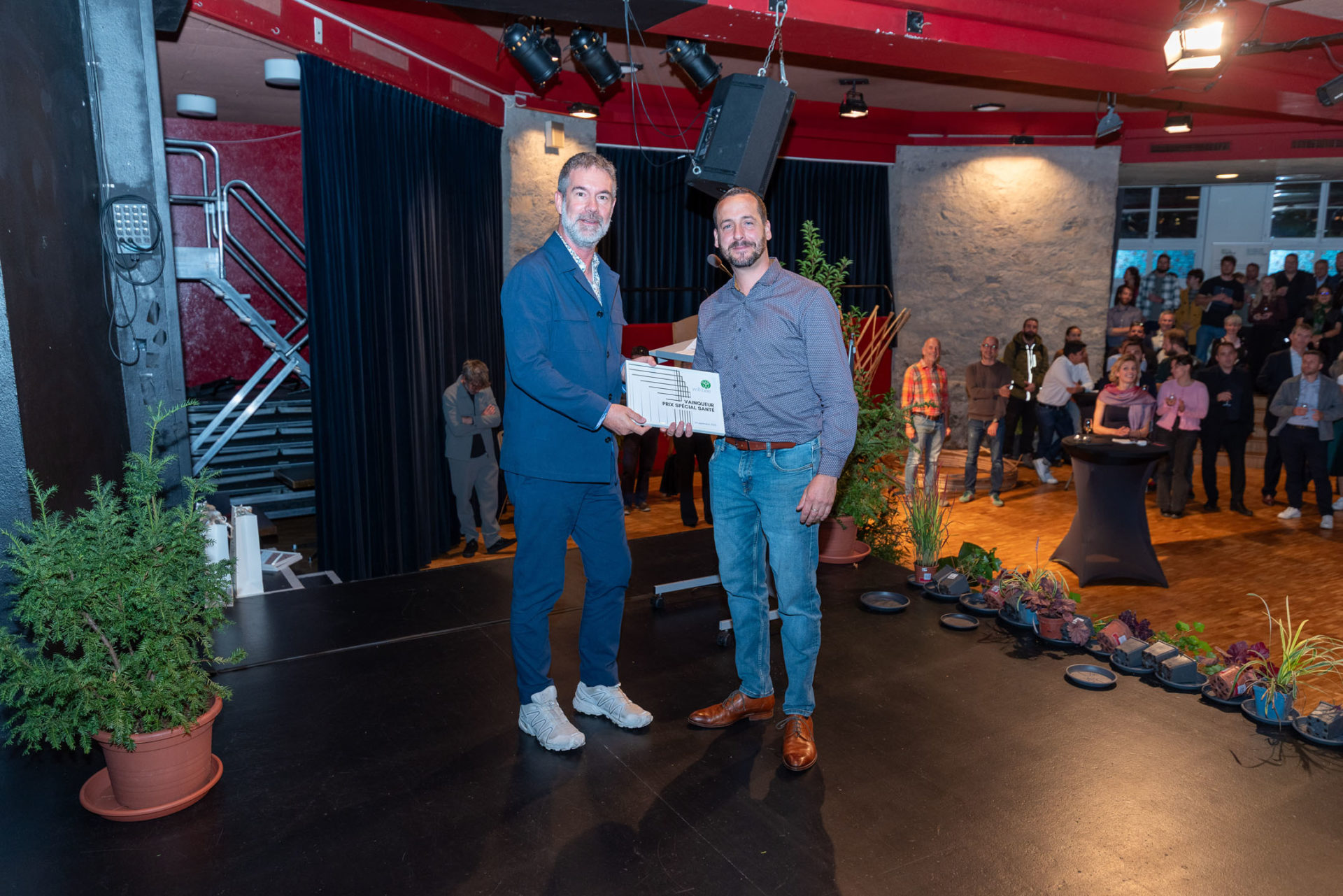
Special "Health" prize
Vertuo
PUBLIC'S FAVOURITE AWARD
Strong by Form
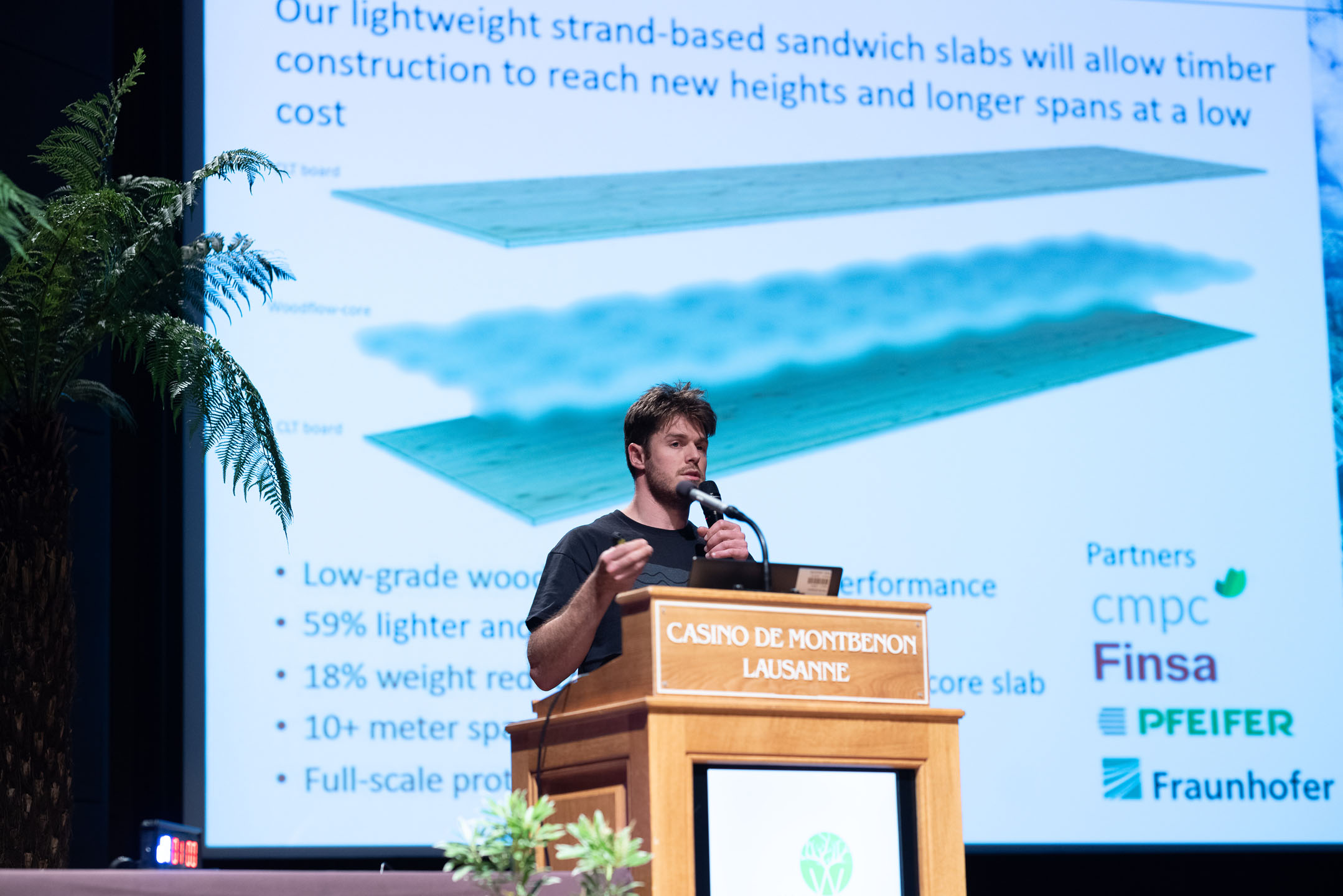
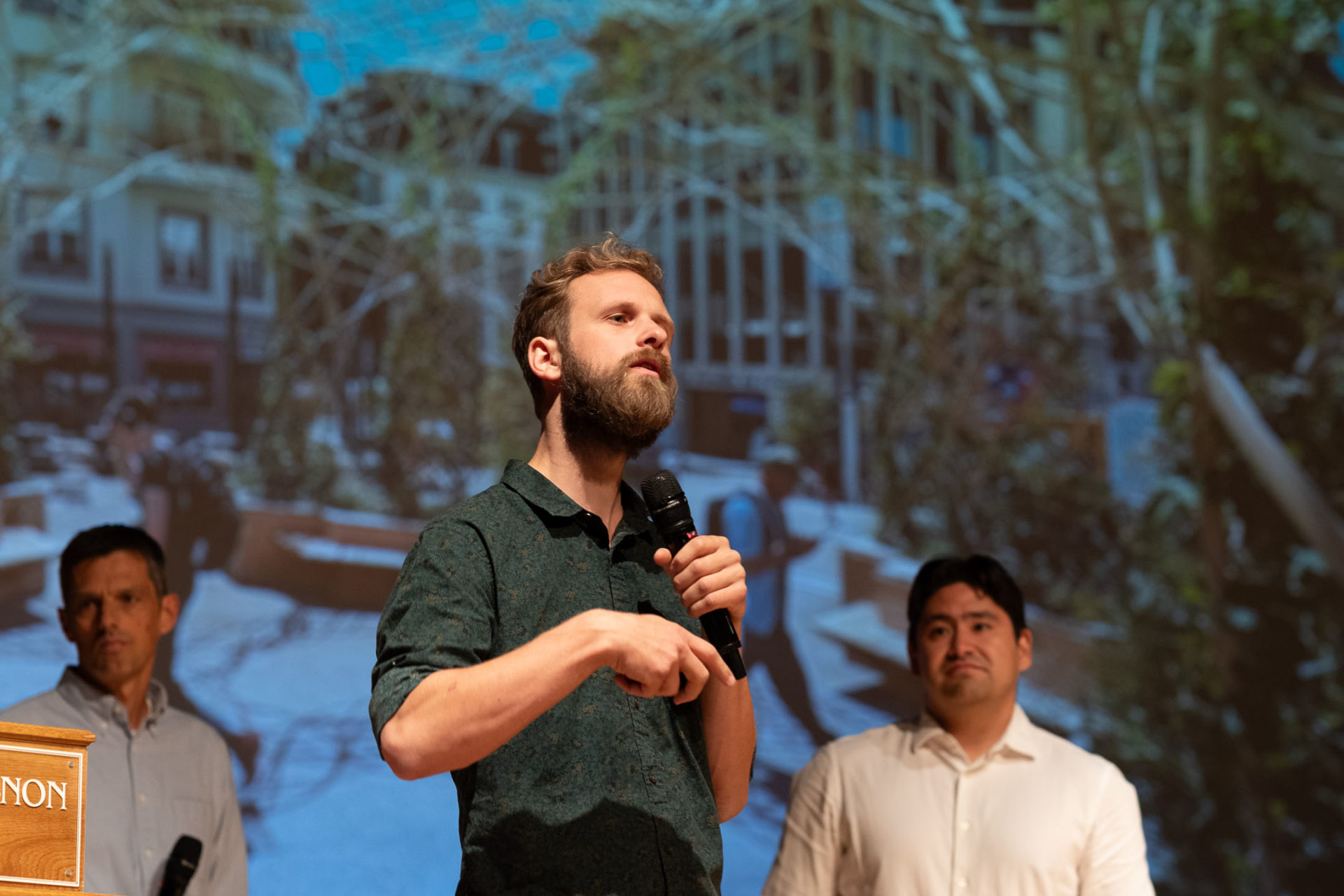
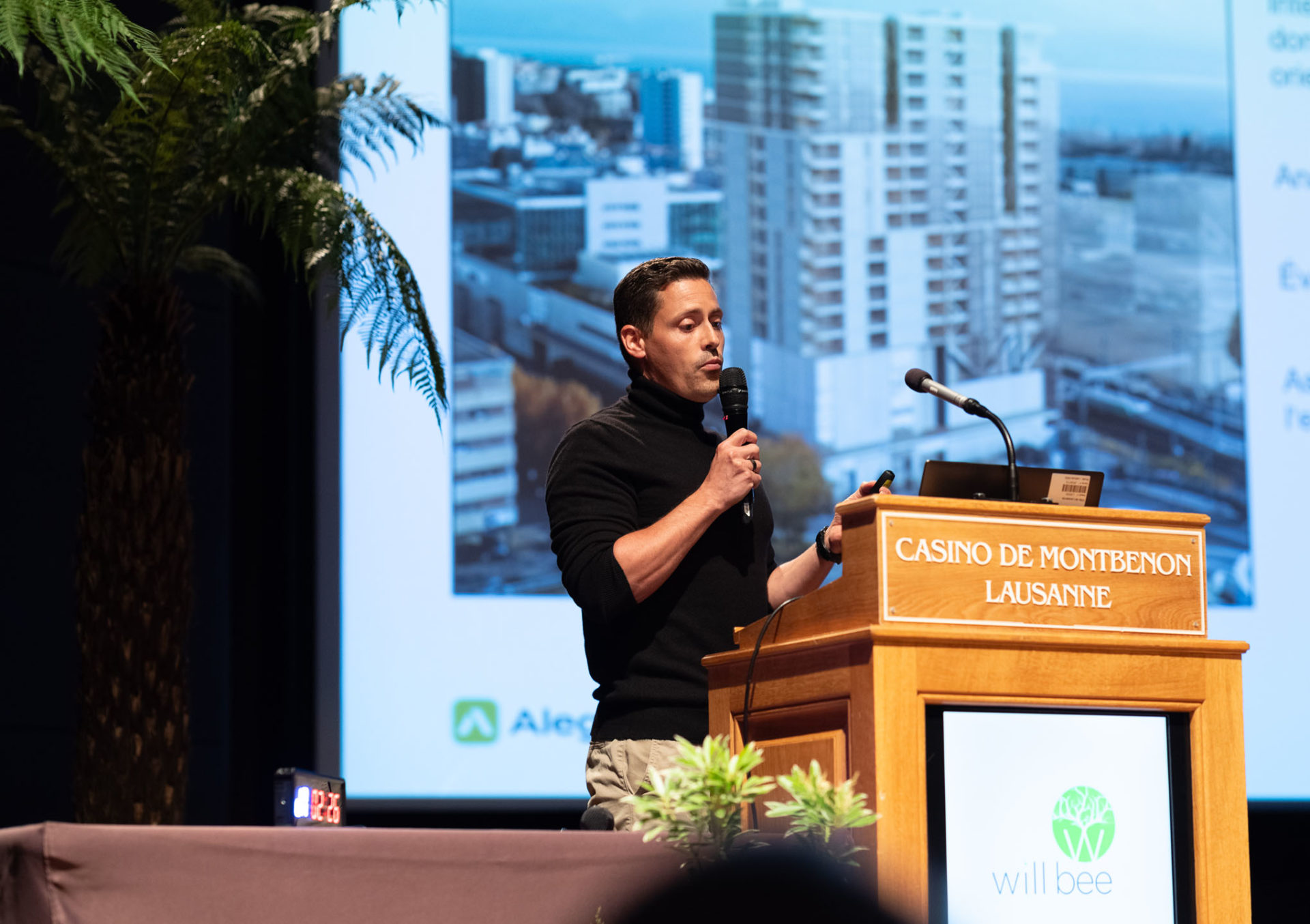
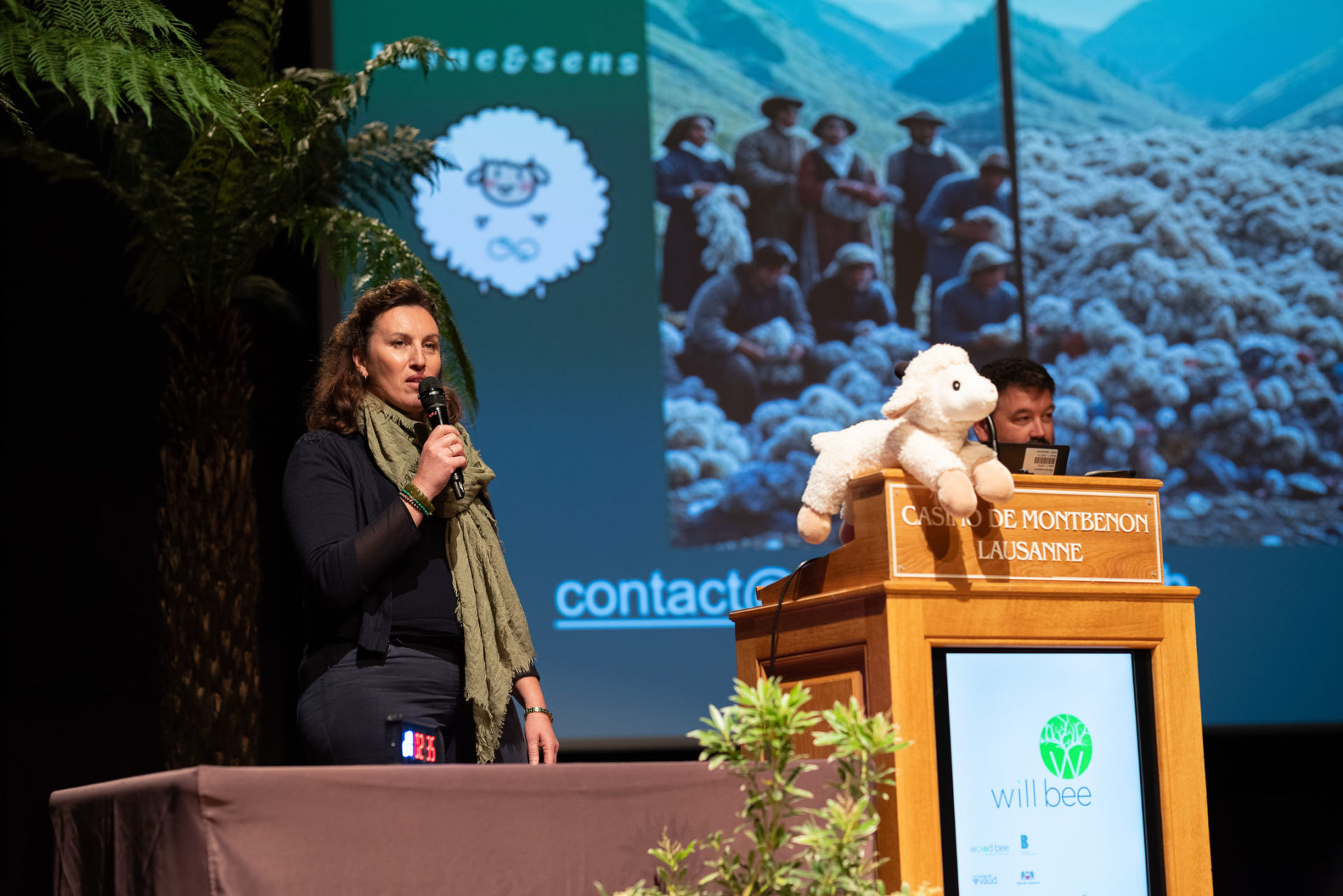
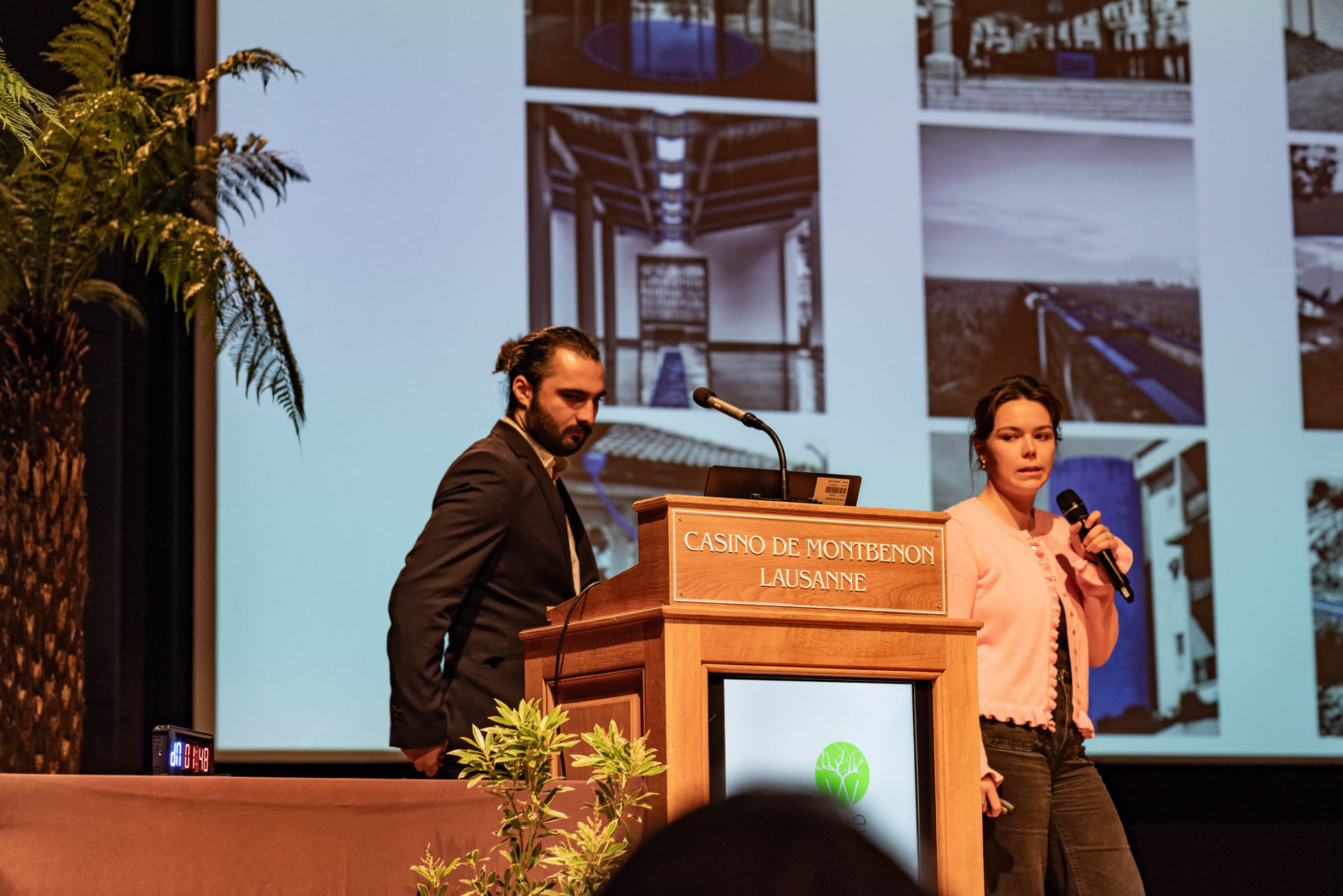
The projects nominated in the “Development” and “Launch” categories were invited to present their work through three-minute pitches, allowing both the jury and the audience to quickly grasp the potential of each initiative. The 31 projects competing for the “Coup de cœur” (People’s Choice) Award were presented in advance on WOOD BEE’s platforms, increasing their visibility within the community.
With more than CHF 20,000 in prize money, the juries recognized four projects from diverse fields, illustrating the wide range of possible responses to the challenges of sustainable construction.
nspired by Northern European countries
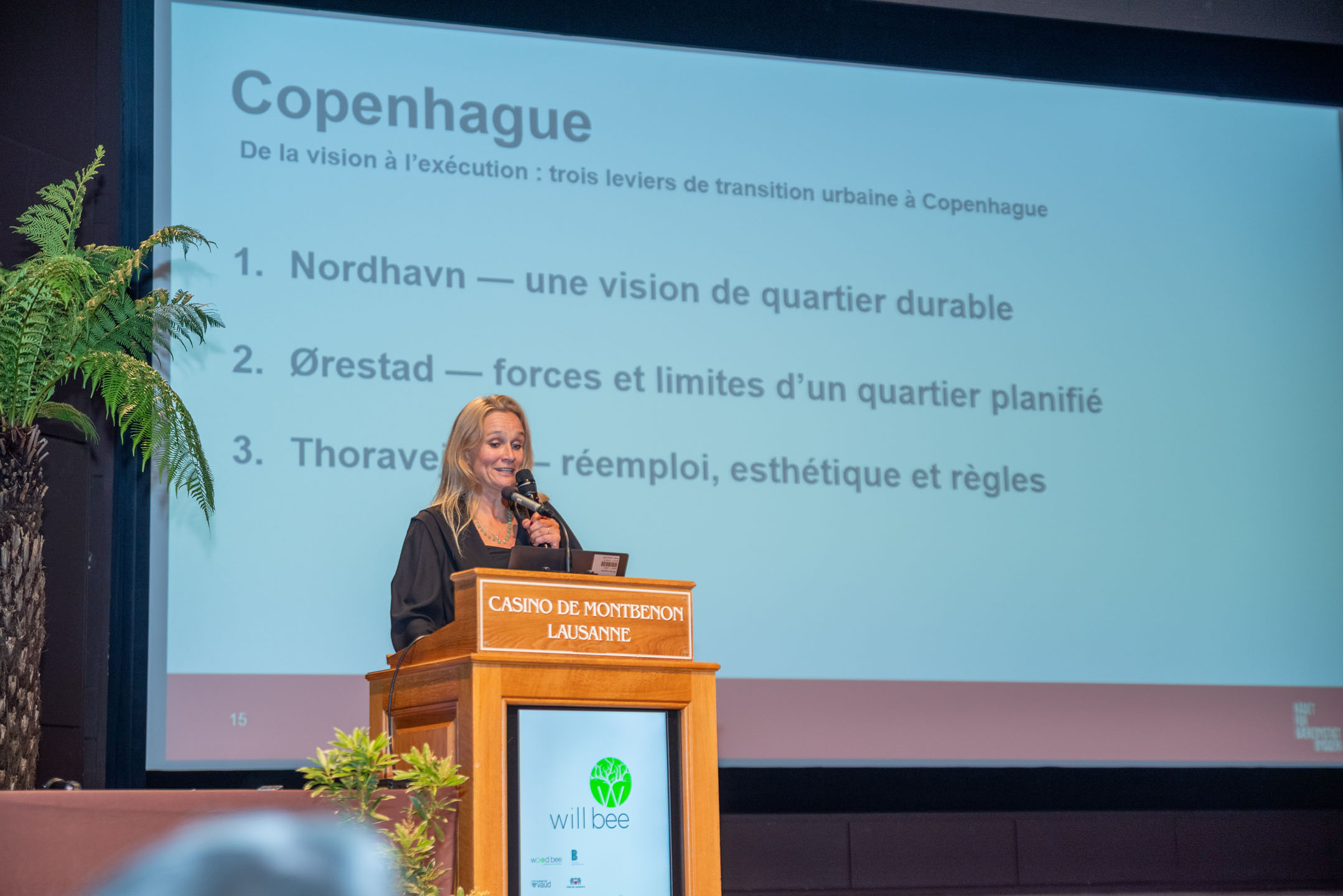
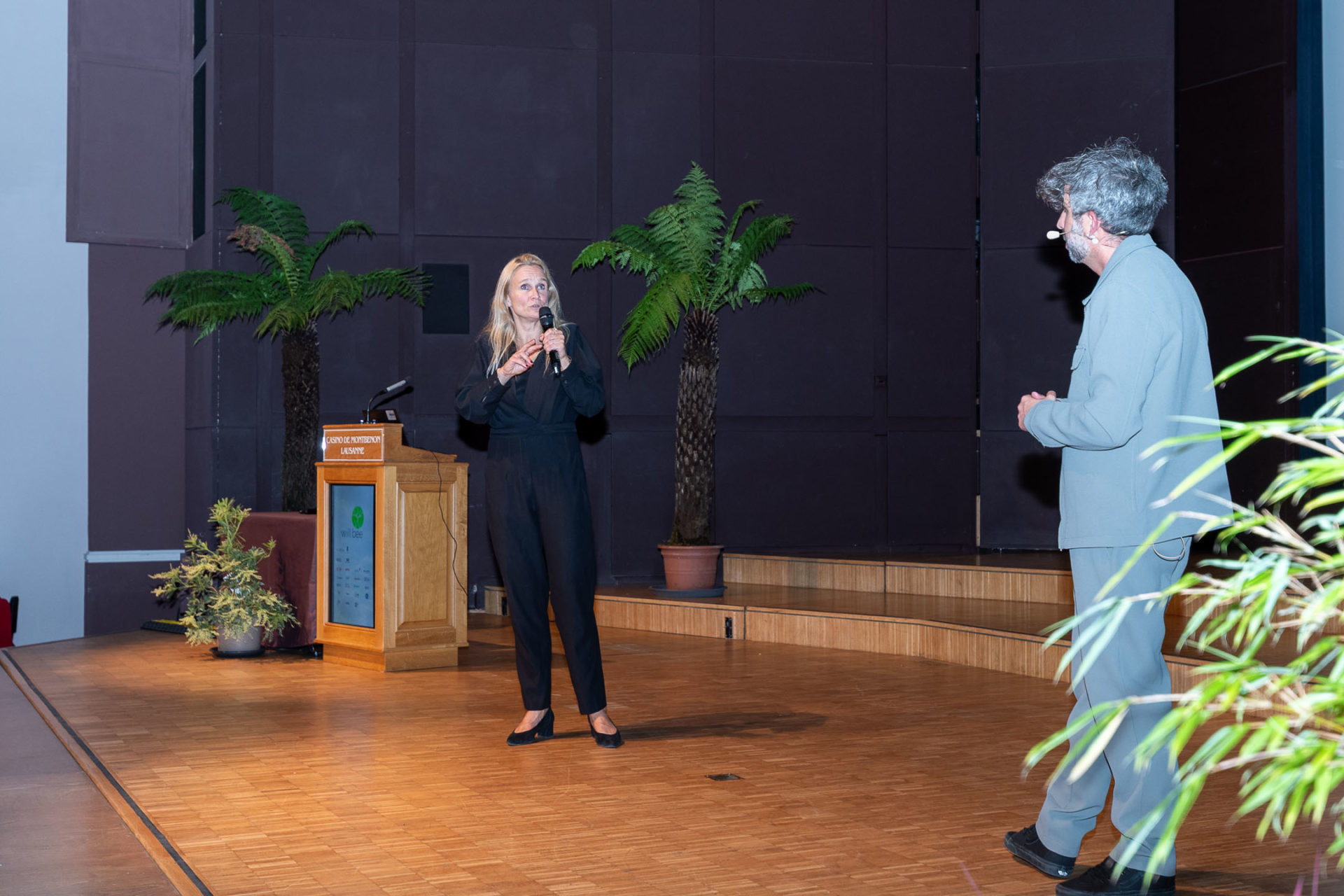
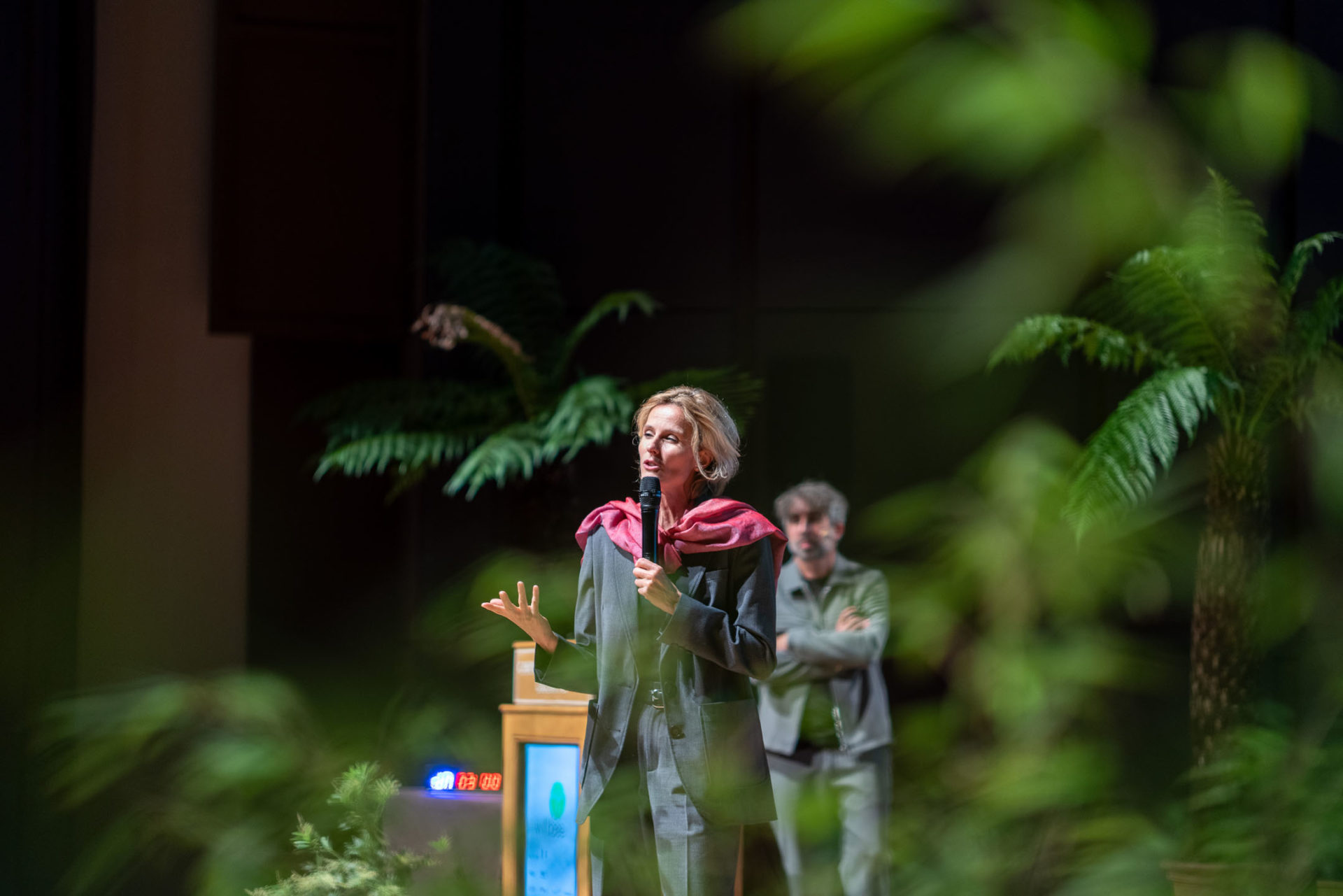
The keynote by Sisse Norman Canguilhem, Vice President of the Green Building Council Denmark, opened the event. Drawing on examples from the Nordhavn and Ørestad districts and the Thoravej 29 project, she highlighted both the likely limits of ambitious planning and the ways Copenhagen is managing its urban transition—through political continuity, a culture of prototyping, and collective engagement.
Her insights resonated with concerns in the Romandy region, offering concrete avenues for accelerating the transformation of our cities toward greater sustainability and circularity.
Mark Bähr a rejoint Herzog & de Meuron en 2006 et a contribué à la réalisation de projets tels que Roche Building 97, St. Johanns-Rheinweg, Südpark Basel, et Museum der Kulturen Basel, pour lesquels il a été chef de projet de la construction à l’achèvement. De 2010 à 2013, il a été chef de projet pour divers projets et concours hospitaliers, dont le nouveau Kinderspital Zürich et le New North Zealand Hospital, où il a développé et appliqué ses connaissances approfondies de la planification hospitalière. Depuis 2014, il est chef de projet de l’hôpital de soins aigus pour le nouveau Kinderspital Zürich.
Mark a étudié l’architecture à l’université de Stuttgart et a obtenu son diplôme en 2002. Après ses études, il a rejoint Cox Architects à Sydney, en Australie, où il a travaillé sur divers projets en Chine. À son retour en Allemagne, il a travaillé pour Moser Architekten, à Lörrach.
François Guisan
Fort de plus de deux décennies d’expérience dans le domaine de l’immobilier, François Guisan s’est constamment engagé à intégrer des critères de durabilité dans ses pratiques, touchant aussi bien aux aspects sociaux, environnementaux qu’économiques. Sa passion se concentre particulièrement sur les phases cruciales de conception et de planification, ainsi que sur la qualité des investissements. En défendant des approches différenciées, il vise à assurer performances et participation active.
En parallèle à sa carrière dans le secteur immobilier, François Guisan se distingue par son implication significative dans le domaine associatif à caractère humanitaire. En tant que co-fondateur de l’association Paidos, il démontre une compréhension globale des modèles sociaux et de l’importance cruciale d’une planification urbaine de qualité. Sa vision s’étend vers la recherche de solutions innovantes pour instaurer un équilibre sociétal durable et souhaitable.
Son champ d’action s’étend à des échelles significatives, travaillant avec enthousiasme sur de vastes périmètres tels que des pièces urbaines, des quartiers mixtes et des territoires. Grâce à son passage chez Implenia, François Guisan a acquis une connaissance approfondie des différents corps de métiers liés au secteur de la construction. Son engagement manifeste au sein de l’Association suisse pour des quartiers SEED témoigne de sa volonté constante de contribuer à des initiatives de grande envergure en faveur de la durabilité urbaine.
Adrien Besson
Adrien Besson est le co-fondateur du bureau d’architecture group8 à Genève, lequel a vu le jour en l’an 2000.
diplômé ETS en Génie Civil et d’un master en Architecture EPF Lausanne, sa formation a été complétée par
un doctorat en théorie de l’architecture, également à l’EPFL. Outre son activité professionnelle principale, Adrien
Besson est également actif au sein d’associations Genevoises telles que La Maison de l’architecture dont il est
l’un des co-fondateurs et est resté membre du comité jusqu’en 2012, ainsi que le magazine d’architecture Faces,
dont il est membre du comité éditorial. Plus récemment, il a rejoint la Commission d’urbanisme à Genève en
tant que membre.
Christophe Catsaros
Rédacteur en chef de la revue suisse Tracés de 2011 à 2018, Christophe Catsaros est critique d’architecture. Il est depuis avril 2022 responsable des éditions et de la communication du centre d’architecture arc en rêve à Bordeaux. Il a été assistant curateur au Witte de With de Rotterdam et enseignant à l’ESAC de Cambrai. En 2018, il a lancé Ecrans Urbains, un cycle de projections à la Cinémathèque suisse puis à arc en rêve, au croisement de l’architecture et du cinéma.
Il collabore régulièrement à Artpress, Archistorm, Tracés, Le nouveau Genève et L’architecture d’aujourd’hui. Il co-dirige les cahiers de l’IBOIS, une revue d’analyse critique autour de la construction bois. Il est l’auteur de plusieurs ouvrages publiés chez Actes Sud autour du travail de Patrick Bouchain.
Emmanuel Ventura
Né à Vevey en 1966, Emmanuel Ventura est au bénéfice d’un diplôme d’architecture obtenu en 1986 à l’Ecole d’Ingénieur de Genève HEIG puis d’un diplôme d’architecture obtenu en 1992 à l’Ecole Polytechnique Fédérale de Lausanne EPFL. M. Ventura a débuté sa carrière en 1989. Il collabore pendant 8 ans avec Bernard Tschumi et Luca Merlini à Paris et à New-York.
Il participe à de nombreux travaux d’architecture et d’urbanisme, concours et réalisations, en Suisse et à l’étranger. En 1997, il fonde le bureau M+V, Merlini & Ventura architectes à Lausanne. Le bureau a été honoré d’une nomination à la Distinction Romande de l’Architecture en 2010 et aux ‘ Swiss Performance 2011’ décerné par la revue d’architecture Archithèse. Emmanuel Ventura a également enseigné et est intervenu régulièrement comme expert. Il a présidé la section romande de la Fédération des Architectes Suisses (FAS) de 2009 à 2012. Emmanuel Ventura est nommé architecte cantonal en octobre 2012. Il a dirigé entre 2016 et 2020 la Direction de l’Architecture et de l’Ingénierie DAI qu’il a réorganisé. Il est membre de la Conférence Suisse des Architectes Cantonaux CSAC. Il est vice-président de la Chambre des Architectes CA. Il co-préside la 5ème Distinction Romande d’Architecture 2021/2024.
Vincent Messarra-Yang
CHUV
centre hospitalier universitaire vaudois
Architecte, Direction des constructions, ingénierie, technique et sécurité.
Spécialiste expérimenté de la consultation avec une expérience confirmée dans l’industrie de l’architecture et de la planification, Vincent Messarra-Yang possède des compétences en AutoCAD, budgétisation, urbanisme, droit de la construction et construction. Professionnel de l’exploitation, il est titulaire d’un Master of Arts en Architecture de l’Ecole polytechnique fédérale de Lausanne.
Florence Aviat
Docteur en biologie, fondatrice de l’entreprise YouR ResearcH Bio Scientific
Docteur en Biologie et fondatrice de l’entreprise YouR ResearcH – Bio Scientific, Dr Florence AVIAT mène des projets de recherche appliquée, depuis plus de 15 ans, en microbiologie au service de la santé animale et de la santé humaine en partenariat avec des industriels et des laboratoires académiques et privés, ainsi que les autorités sanitaires françaises et européennes.
Depuis 2010, Dr Florence AVIAT coordonne des projets de recherche sur la thématique « Bois & Santé de l’homme » : avec un premier axe tourné vers le contact alimentaire et la santé du consommateur et un deuxième axe dédié au bois et à la santé des usagers de bâtiments bois. Si les impacts sur l’environnement font aujourd’hui l’objet d’une attention aussi soutenue que nécessaire, les impacts sur l’être humain commencent tout juste à interpeller. Les notions de confort, de bien-être et de santé des occupants sont de plus en plus présentes dans les discours qui manquent encore d’arguments, et notamment scientifiques. Or, le bois pourrait avoir une longueur d’avance.
Hélène PAILHORIES
Après des études de pharmacie, Hélène PAILHORIES s’est orientée vers un internat de biologie médicale, lors duquel elle s’est spécialisée en Bactériologie. Depuis 2012, elle travaille au sein du laboratoire de Bactériologie du CHU d’Angers, au sein duquel elle est Maitre de Conférences Hospitalo-Universitaire depuis 2018. Elle s’intéresse depuis lors à plusieurs sujets de recherche. Elle travaille notamment au sein de l’équipe de recherche HIFIH de l’Université d’Angers (Hémodynamique, interaction fibrose et invasivité tumorales hépatiques), dans laquelle elle se penche sur le rôle des bactéries et des vésicules extra-cellulaires bactériennes dans la stéato-hépatite non alcoolique. Elle travaille également, depuis 2016, en collaboration avec l’Ecole Supérieure du Bois (ESB) et Florence Aviat (YouR ResearcH) sur les activités antimicrobiennes du bois.